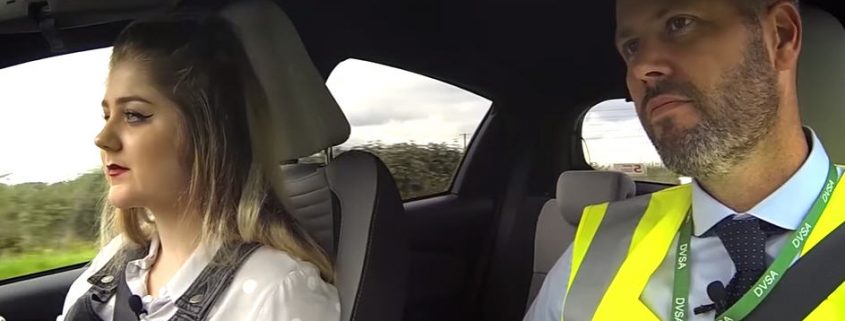
Corporate and advanced driver training: safer staff, lower risk

If your team spends time on the road, driving is part of your workplace. That means risk, compliance, and people’s safety are all on the line every time the ignition turns. The good news is that practical, evidence-based training can cut collisions, reduce costs and give your staff the confidence to make better decisions in real traffic.

This guide explains what corporate driver training involves, the benefits for employers, and how advanced driver coaching fits in. You will also find clear answers to common questions about insurance, course length, and post-accident refreshers. All examples here reflect Denovo Driving Tuition’s locally delivered programmes in and around Peterborough.

What corporate driver training is and why it matters

Corporate driver training is structured coaching for employees who drive for work, whether they use company vehicles or their own. It focuses on practical risk reduction, calm decision-making and consistent roadcraft. For employers, it supports duty of care and helps demonstrate that you manage driver risk responsibly.

Why run driver training for staff? Four reasons typically stand out:

  • Fewer incidents and claims: targeted coaching on hazard perception and observation helps staff spot and avoid problems earlier.
  • Duty of care and compliance: your organisation can evidence proactive risk management with documented assessments and reports. 
  • Lower disruption and cost: preventing collisions reduces downtime, excesses, vehicle hire, and administrative time.
  • Better morale and retention: drivers who feel supported tend to be more confident and less stressed on the road.

Denovo’s corporate coaching is delivered one-to-one on local routes, so staff practise on the same junctions, multi-lane roundabouts and dual carriageways they actually use. That local familiarity shortens the learning curve and makes improvements stick.

What an effective programme includes

A solid corporate programme should be practical, flexible and measurable. At Denovo, a typical engagement includes:

  • Assessment and objectives: A short, structured assessment drive identifies habits, risk hot spots and priorities. Clear objectives are set for the session, so progress is visible.
  • Tailored modules: Coaching is adapted to each role and route. Examples include complex roundabout planning, motorway lane discipline, speed and space management in urban traffic, adverse weather adjustment, night driving, and eco-safe techniques that reduce fuel use.
  • On-road coaching in real vehicles: One-to-one, in-car sessions can be in your vehicles, where suitable, to mirror everyday tasks and reinforce company policies. For new starters, induction drives can set standards from day one.
  • Progress reporting: Brief, readable reports summarise strengths, risks addressed and next steps. These provide useful evidence for internal audits and insurance conversations.
  • Flexible delivery: Sessions are scheduled around shifts and peak workloads, with options for block booking and post-incident refreshers. In Peterborough, routes are chosen to reflect local risks and recent incidents.

If you want to learn more about our patient, tailored instruction, you can browse our website.

Advanced driver training: who it suits and what to expect

Advanced driver training builds on safe, competent driving and is ideal for high-mileage staff, managers, professional drivers, and anyone returning after a long break. It is also effective for drivers who have had a near miss or wish to polish skills like observation, positioning and anticipation beyond test standard.

How long does it take to complete an advanced driving course? For most experienced drivers, a focused course often runs as two to four in-car sessions of around two hours each, scheduled a week or two apart to allow practice between. The exact duration depends on the starting point, goals and whether you are preparing for a specific advanced assessment.

Which is the best advanced driving course? The best course is the one that matches your objectives and addresses your real-world risks. Some drivers benefit most from motorway and night modules, others from urban hazard anticipation or wet-weather planning. Denovo’s Peterborough advanced driving course is flexible and tailored, with one-to-one coaching and clear feedback so you see measurable improvements quickly.

Expected outcomes typically include smoother speed and space management, fewer close calls at junctions and roundabouts, improved fuel economy, and lower stress in heavy traffic. Many drivers also report a calmer mindset because they feel in control and “ahead of the car.”

If you are exploring options, you can contact us today to learn more about our Peterborough advanced driver coaching sessions and see how modules and scheduling work locally.

Insurance and post-incident refreshers

Do advanced driving courses lower insurance? Some insurers recognise advanced training or a documented corporate programme and may offer preferential terms. This is not guaranteed and varies by insurer, fleet size and claims history. What training reliably delivers is risk reduction, which over time can improve your loss record and strengthen your case at renewal. Keep training records; they are useful in underwriting discussions.

Post-accident refreshers are a smart, supportive step. A short, focused session helps drivers reflect on the event, rebuild confidence and correct contributing habits such as rushed approaches, late mirror checks or poor space management. Denovo offers one-to-one in-car corporate driver coaching in Peterborough, tailored to the incident type and route.

How Denovo delivers for local businesses

Denovo Driving Tuition is based in Peterborough and provides patient, professional coaching built on clear objectives, structured feedback and local route knowledge. Corporate sessions are practical, evidence-based and paced to the individual. You can book Peterborough in-car corporate driver coaching or arrange an initial corporate driver training enquiry in Peterborough to discuss goals, scheduling and reporting needs.

For teams with mixed experience, we can blend induction drives for new starters, motorway coaching for frequent business travellers, and confidence sessions for those returning after a collision. Where appropriate, employees can train in their usual vehicles to reinforce daily habits and company standards.

Quick FAQ

What is corporate driver training? It is structured, work-focused driver coaching that reduces risk, supports duty of care and improves decision-making for employees who drive for work.

Why run driver training for staff? It helps cut incidents, supports compliance and reporting, reduces operational disruption and shows staff you take their safety seriously.

Do advanced driving courses lower insurance? Sometimes. Recognition varies by insurer. The consistent benefit is fewer claims and stronger risk evidence for renewal.

How long does an advanced course take? Often two to four sessions of around two hours, though timing varies with goals and starting point.

Which advanced course is best? The one that matches your risks and objectives. Tailored, one-to-one coaching typically delivers the most relevant gains.

Summary and next steps

Corporate driver training is a practical way to meet duty of care, reduce incidents and keep people safe. Advanced coaching adds an extra layer of anticipation and polish for higher-risk roles and returning drivers. If you want flexible, one-to-one coaching delivered on the roads your staff use every day, Denovo can help. Explore our Peterborough in-car corporate driver coaching, or get started with a corporate driver training booking in Peterborough to shape a plan around your team, vehicles and schedules.


 

Driving Lesson Costs In The UK: What To Budget In 2026

If you are planning your driving journey this year, a clear budget will save stress and help you progress faster. Prices vary across the UK, and the cheapest hourly rate is rarely the best value. In this guide, you will see typical 2026 lesson prices, what affects the cost, realistic totals for common plans, DVSA test fees, and smart ways to save without slowing your progress. You will also see how Denovo’s £90 introductory saving helps you get started, and why tailored, structured lessons reduce wasted hours.

Typical UK lesson prices in 2026

  • What does a 1 hour driving lesson cost in the UK? In most towns and cities, expect £32 to £45 per hour with a qualified instructor. Large cities and areas with higher running costs often sit at £38 to £45. Some premium or specialist tuition can be higher.
  • How much should a driving lesson cost? Focus on value, not the lowest sticker price. A well planned lesson with clear objectives and actionable feedback often means you need fewer total hours to reach test standard, which cuts your overall spend.

Many reputable schools deliver two-hour sessions as standard. This suits deeper practice and reduces the time lost to settling in and swapping roles between exercises. If two hours are offered at a fair blended rate, it can represent better value than a single short session.

What drives the hourly rate

Four main factors affect what you pay.

  • Location: Urban centres and the South East tend to be higher due to fuel, insurance, parking, and demand. Rural areas can be lower.
  • Vehicle and fuel: Modern tuition cars with dual controls, higher insurance, maintenance, and today’s fuel costs all sit behind the price you see.
  • Instructor experience: A calm, patient, well-reviewed instructor who structures lessons and delivers high pass rates may charge toward the higher end, but usually saves you hours overall.
  • Lesson format: Two-hour lessons, evening or weekend slots, or intensive plans may have different pricing. Block bookings often come with savings.

Planning your total budget

Everyone learns at a different pace. The DVSA suggests an average near 45 hours of professional tuition plus 20 to 22 hours of private practice, though many learners pass with fewer or more hours depending on consistency, anxiety levels, and quality of instruction. Here are realistic totals using a middle of the road £38 to £42 per hour guide to help you plan.

  • 10 hour plan: £380 to £420. Ideal for a confident refresher or someone close to test standard who needs polishing and mock tests.
  • 20 hour plan: £760 to £840. Good for learners with some prior experience who are consolidating manoeuvres, roundabouts, and dual carriageways.
  • 40 hour plan: £1,520 to £1,680. A sensible full-course estimate for many first-time learners across several months with structured progression.

Adjust these figures to your local rate. If your area is nearer £45 per hour, increase the totals accordingly. If you find a credible instructor at £35 per hour who offers strong structure and feedback, you may come in under these ranges.

Test fees to include

Budget for the DVSA tests in addition to lessons.

  • Theory test fee: £23.
  • Practical test fee: £62 on weekdays, £75 evenings/weekends. Most learners also book the instructor’s car for test day, typically 2 to 3 hours of time for a warm up drive and the test itself, charged at the normal lesson rate.

Learning materials such as an up to date Highway Code, a theory app with hazard perception clips, and a logbook or progress tracker add a small cost and a large benefit.

Value beats the cheapest quote

Saving £3 per hour is not a saving if you need eight extra hours because the lessons lacked clear goals or feedback. High quality lessons should include:

  • A tailored plan with what you will cover today and why.
  • Purposeful mirror and observation habits built into every exercise.
  • Targeted work on your weak spots, for example multi-lane roundabouts, right turns at busy junctions, or reverse bay parking.
  • Frequent mock tests with honest feedback, so you fix issues well before test day.

Learners who switch to structured, tailored tuition often reduce total hours, pass sooner, and feel ready for real world driving, not just the test.

Smart ways to save without cutting corners

  • Book in blocks: Many instructors offer block discounts. Ask about expiry windows so you can use hours at a steady pace.
  • Choose two-hour sessions: You get more meaningful practice time and less warm up time. This often trims the total number of sessions you need.
  • Keep a focused practice routine: If you can practise with a suitable supervisor, align it with your instructor’s homework, for example, clutch control, mirror routines, reference points for manoeuvres, or reading road signs and markings in a quiet area.
  • Use quality theory prep: Strong theory and hazard perception skills speed your on-road decisions and reduce repeat explanations in lessons.
  • Stay consistent: Weekly progress beats long gaps. Momentum keeps skills sharp and saves time recapping.
  • Be test ready before booking: Book the practical only when your instructor confirms you are consistently at test standard. Avoid wasting test fees and rush lesson blocks.

If you are in or near Peterborough and want a structured plan with patient coaching, explore driving lessons in Peterborough to see how a tailored approach can fit your goals and budget.

Denovo’s £90 introductory saving and how tailored lessons cut waste

Denovo Driving Tuition offers an introductory saving of £90 on standard lesson fees for eligible new learners, with terms confirmed at booking. The real saving, though, comes from structure and focus.

Lessons are planned around your current level, with clear objectives, homework, and regular checkpoints. You will work on local junctions, dual carriageways, and Peterborough’s multi-lane roundabouts, with mock tests and feedback that address common test faults, such as observation at junctions and mirror checks before changing direction.

This approach helps you avoid repeating the same mistakes and wasting hours. Many learners report first-time passes, or significant reductions in minors, after moving to structured, two-hour sessions and targeted coaching. If you are anxious or returning after a break, patient, stepwise lessons build confidence while keeping progress efficient.

If that sounds right for you, you can book driving lessons in Peterborough and use the £90 saving to get started.

What if you cannot afford lessons right now?

  • Spread the cost: Smaller block bookings or biweekly two-hour sessions can keep momentum without overwhelming your budget.
  • Use high-quality free or low-cost resources: Theory and hazard perception apps, DVSA videos, and a written practice log sharpen your road reading skills between lessons.
  • Practise with a supervisor when safe and legal: Short, focused drives that mirror your lesson homework, for example, moving off and stopping safely, junction routines, and mirror discipline. Ensure the car is insured for you and the route is appropriate for your level.
  • Prioritise coaching over car time: A few high-quality lessons that fix core habits beat many unfocused drives. Ask your instructor for feedback notes to guide any private practice.
  • Pause then plan: If you need to step back for a month, keep theory fresh and return with a clear plan and a block booking to regain momentum.

If you are local and want practical advice on planning an efficient route to your test, you can speak to a driving instructor in Peterborough about options that suit your timeline and budget.

Quick answers to common questions

  • How much is a 1 hour driving lesson in the UK? Typically £32 to £45, depending on location, vehicle costs, and instructor experience.
  • How much should a driving lesson cost? Pay for structure and results, not just a low hourly price. Quality lessons often reduce your total hours.
  • How much is 20 hours of driving lessons? Around £760 to £840 at £38 to £42 per hour, more in higher cost areas.
  • How much would 40 hours of driving lessons cost? Around £1,520 to £1,680 at mid range rates, with potential savings from block bookings.
  • What to do if you cannot afford lessons? Spread sessions, use block discounts, practise legally with supervision, and focus on theory and hazard perception to make every paid hour count.

Final takeaway

Set your budget with the full picture in mind, hourly rate plus the total hours you are likely to need and the DVSA test fees. Choose an instructor who offers clear plans, patient coaching, and mock tests, because that is what reduces wasted hours and saves you money overall. If you are starting in Peterborough, Denovo’s £90 introductory saving and tailored lessons can help you progress calmly and efficiently toward a confident first-time pass.

Passing Your Driving Test First Time: Calm, Ready And In Control

Winter test dates can feel intense. Shorter days, wetter roads and the buzz of the holidays all add pressure. With the right prep, you can walk into the test centre calm, ready and in control. This guide explains what to expect on the day, how to manage nerves, the instant fails you must avoid, winter driving tips, a smart mock test routine and a 7-day countdown checklist. You will also see how Denovo’s patient coaching, local route knowledge and pre-test warm-ups help you feel test-ready. If you plan to test around Christmas and New Year, book early as holiday schedules and test centre closures can limit availability.

What to expect on the day

  • Arrival and paperwork: Get to the test centre 10 minutes early with your provisional licence. Examiners will introduce themselves, check your eyesight and explain the format.
  • Show me, tell me: Expect one tell me safety question at the start and one show me while on the move, for example, operating the demister or headlights.
  • The drive: About 40 minutes, including following directions, independent driving using a sat nav or traffic signs, and one manoeuvre. You may be asked to pull up on the right and reverse, parallel park or bay park.
  • The result: Back at the centre, the examiner explains your result with feedback. You are aiming for zero serious or dangerous faults, with up to 15 driver faults allowed.

Denovo frequently carry out a pre-test warm-up. A short drive beforehand settles the nerves, helps you get the feel of the car and gets you into a calm, observant rhythm.

How to calm your nerves before a driving test

  • Prepare a script: Before each junction, quietly say mirrors, signal, position, speed, look. A spoken routine steadies your mind and improves observation.
  • Breathe to reset: Try box breathing, inhale for four, hold for four, exhale for four, hold for four. Do three cycles in the car park before you set off.
  • Focus on process, not outcome: Drive the next 30 seconds well. Then the next. Outcomes follow good processes.
  • Use a comfort anchor: Adjust your seat and mirrors as you do in lessons, set the cabin temperature, and wear familiar footwear.
  • Reduce cognitive load: Put your phone on airplane mode and keep the car clutter-free.
  • Reframe nerves: Physiologically, nerves and excitement feel similar. Tell yourself, this is my body getting ready to focus.

With Denovo, nervous learners get stepwise exposure, repeated mock tests and clear feedback so test day feels familiar. If anxiety is your main barrier, ask for driving lessons for nervous drivers in Peterborough to see how a patient approach can help.

Common instant fails on the UK driving test
Avoiding these serious or dangerous faults is key to a first-time pass:

  • Observation at junctions: Not looking effectively, pulling out when unsafe or failing to commit.
  • Mirrors before changing direction: Lane changes, turning, slowing or overtaking without mirror checks.
  • Right turns: Cutting across lanes, late positioning, poor judgement of oncoming traffic.
  • Response to signs and lights: Missed speed limit changes, rolling through stop lines, late reactions to amber and red.
  • Positioning and steering: Drifting lanes, clipping kerbs or unsteady control.
  • Moving off safely: Poor blind spot checks, not signalling when needed, stalling and panicking.
  • Manoeuvres: Losing control, excessive repositioning, not observing 360 degrees before and during movement.

Denovo’s mock tests target these areas. You practise the exact routines examiners expect on local routes, so there are fewer surprises.

Winter driving tips for test week

  • Grip and stopping distances: Double your following distance in rain or fog. In heavy rain or on leaf covered roads, leave at least four seconds.
  • Smooth inputs: Gentle acceleration, early braking and progressive steering keep the car stable on low grip surfaces.
  • Vision and lights: Clean all glass and mirrors. Use dipped headlights in rain or fog. Use front and rear demisters early to stay clear.
  • Fog planning: Slow down and respond to what you can see. Avoid sudden lane changes and be ready to cancel fog lights when visibility improves.
  • Night and early darkness: Set mirrors to reduce glare, widen your gap and read tail lights further ahead for developing hazards.
  • Aquaplaning sense check: If the steering feels light, ease off the accelerator, keep the wheel straight and wait for grip to return.

Denovo runs seasonal sessions that build confidence in low light and wet conditions on the same junctions and roundabouts you will face during tests.

Mock test routines that actually work

  • Simulate the start: Park up, do the eyesight check, then launch straight into a realistic route.
  • Record, then review: Note faults by category, observation, mirrors, positioning, controls. Focus your next lesson on the top two patterns.
  • Repeat the route: Familiarity cuts anxiety. Denovo uses examiner-style commentary to mirror the tone and timing of real instructions.
  • Build test stamina: Two-hour sessions let you practice multiple mock segments without rushing, which improves decision-making under pressure.

A 7-day countdown checklist

  • Day 7: Confirm test time, location and ID. Plan your route and parking. Book a pre-test warm-up.
  • Day 6: Run a full mock. Identify two priorities and schedule a short, targeted lesson.
  • Day 5: Car checks if using your own vehicle, tyres, lights, washer fluid, wipers. Practise show me, tell me.
  • Day 4: Manoeuvre day. Do three of each with emphasis on observation and all round checks.
  • Day 3: Winter drill. Drive at dusk or in rain to practise spacing, wipers, demisters and glare management.
  • Day 2: Light review, not cramming. Visualise key routines and do one calm, focused drive.
  • Day 1: Pack licence and eyewear. Sleep well. Prep clothes and shoes to use.

Test morning: Arrive early. Breathe, positive self talk, and stick to your routines.

Quick answers to common questions

  • How can I calm my nerves before a driving test? Use a spoken driving routine, box breathing, and a short pre-test warm-up. Practise the same local routes so the day feels familiar.
  • What should I expect in my first lesson? A chat about goals, a safety brief, mirror and seat setup, moving off and stopping in a quiet area, then simple junctions. Denovo sets clear objectives and homework from lesson one.
  • What are instant fails on the UK driving test? Any serious or dangerous fault, commonly poor observation at junctions, missed mirror checks before changing direction, unsafe right turns, ignoring road signs or lights, weak positioning and unsafe manoeuvre observation.
  • What is the best time to take driving lessons? Choose times that match your future driving, for example, after school or work, dusk practice in winter, and rain when possible. Consistency beats one-off sessions. Denovo often recommends two-hour blocks to reduce rushing and build depth.
  • Can I pass my driving test in 3 months? Yes, with regular lessons, structured homework and at least one mock per fortnight. Intensive blocks and half-term slots help consolidate skills quickly. Your instructor will confirm readiness based on consistent test standard drives.

How Denovo helps you feel test ready

  • Patient coaching: Calm, stepwise progress that suits your pace, especially if you are nervous or returning after a break.
  • Local route knowledge: Targeted practice on Peterborough’s junctions and multi lane roundabouts so you know the landmarks and lane markings.
  • Structured mock tests: Examiner-style scenarios with immediate feedback and simple correction plans.
  • Pre-test warm-ups: A short drive before the test to settle nerves and sharpen observation.

If you want tailored support and flexible scheduling around the holidays, book early. Instructor diaries and test centre slots tighten quickly in December and early January. To get started with a team that focuses on real confidence and safe driving for life, explore driving lessons in Peterborough and secure your space. You can also ask about manual driving lessons Peterborough or driver training Peterborough if you are looking for options that fit your schedule and pace.

Summary
A first-time pass in winter is absolutely achievable. Know the format, manage nerves with simple routines, avoid the common instant fails, practise realistic mock tests and build winter specific skills for rain, fog and early darkness. Give yourself seven focused days that reduce surprises and lift your confidence. With Denovo’s patient coaching, local route familiarity and pre-test warm-ups, you can step into the car calm, ready and in control.

Book early around holiday periods, then trust your training and drive your plan.


How Many Driving Lessons Do You Really Need To Pass?

If you’re staring at long DVSA waiting times and wondering how many lessons it will take, you’re not alone. The truth sits between neat averages and your real life. Your background, confidence, and the complexity of your local test area all shape the number of hours you may need. In Peterborough, that mix usually includes multi‐lane roundabouts, busy junctions, and dual carriageways, so smart planning matters.

This guide cuts through the myths, explains the DVSA average versus real‐world ranges, and shows how to pace your learning so you don’t waste weeks waiting for a test you’re not ready for. You’ll also see how Denovo lesson plans use progress checkpoints, mock tests, and two‐hour sessions to help you reach a consistent test standard and follow the DVSA guidelines, to become a safe and responsible driver for life, not just a lucky day.

DVSA averages versus real life

The DVSA often cites around 40 to 45 hours of professional lessons plus about 20 hours of private practice as a broad average. That is a useful marker, not a rule. In Peterborough, we regularly see three realistic bands:

  • Rapid improvers: 10 to 20 professional hours if you arrive with solid clutch control, road sense from cycling or riding, or previous lesson history. You still need to hit a consistent test standard across manoeuvres, junctions, and roundabouts.
  • Steady progress: 20 to 35 hours if you are starting fresh or a bit nervous. This is the most common path for learners balancing school, work, and family commitments.
  • Foundation builders: 40 to 60 hours if you have high anxiety, limited time for homework or private practice, or you are tackling English as an additional language while learning the rules.

Your learning style matters. If you retain best by doing and reflecting, regular two‐hour lessons with short homework tasks can compress your total hours by reducing re‐learning at the start of each session.

What actually affects your total hours

  • Prior experience: Cycling in traffic, karting, or farm driving can help with hazard perception and vehicle control.
  • Private practice: Safe, supervised practice between lessons accelerates confidence and frees lesson time for complex skills.
  • Lesson frequency: Weekly two‐hour sessions create continuity. Long gaps mean you spend time rebuilding previous skills.
  • Test‐area complexity: Peterborough’s multi‐lane roundabouts, right turns at busy junctions, and dual carriageway merges need repetition.
  • Mindset and nerves: Anxiety is normal. A calm, stepwise approach with mock tests and clear feedback reduces wasted hours.

Is a 2-hour driving lesson a lot?

Two hours is an ideal working block for most learners. Here is why:

  • You get past the warm‐up quickly and spend more time at full focus.
  • You can cover a full theme in one go, for example, spiral roundabouts plus lane changes on the parkway, then consolidate with a manoeuvre.
  • You reduce the number of changeovers and meeting points, which saves minutes that add up over a course.
  • Reflection time inside the session means fewer repeated errors next week.

Shorter lessons can work for very early clutch work or for learners with fatigue issues. For everyone else, two hours tends to reduce the total hours to test readiness.

How many hours does it take to learn to drive?

Plan for a range, not a single number. A practical way to decide is to book an initial 2‐hour assessment lesson, then schedule a block aligned to your test date. Typical Denovo pathways:

  • 10 hours: For learners with recent experience or strong private practice. Focus on polishing mirror discipline, positioning, and manoeuvres. Minimum one mock test and a pre‐test polish.
  • 20 hours: The classic “sharpen and stretch” plan. Core skills, complex junctions and roundabouts, dual carriageway work, two mock tests, and targeted correction of any recurring faults.
  • 40+ hours: A full foundation. Start in quiet areas, build up to complex traffic, add night or wet‐weather sessions where possible, complete multiple mock tests, and include resilience coaching for nerves.

How many lessons before the driving test?

Work backwards from your test date. If your test is 8 weeks out and you want 16 hours, book two hours per week with a buffer for a mock and any weather disruptions. If waits are longer, use the extra time to build consistency rather than coasting. Your instructor should confirm readiness two to three weeks out, not the day before.

Planning around Peterborough test‐centre waits

Peterborough slots can fluctuate, especially before holidays and in the run‐up to winter. Sensible steps:

  • Secure a provisional plan early. Book regular lesson slots as soon as you pass your theory, even if your practical is months away.
  • Use a readiness checkpoint at least three weeks before test day. If you are not tracking at test standard, reschedule rather than gamble.
  • Practise local reality. Include Bretton and Eye complex, high‐speed, multi‐lane, traffic light‐controlled roundabouts, parkway lane discipline, and tight residential streets so nothing on test day feels new.

Pacing your lessons before winter

Short days, rain, and leaf‐covered roads change stopping distances and visibility. To stay on track:

  • Keep momentum with weekly two‐hour lessons. Gaps in winter mean you rebuild confidence each time.
  • Add at least one wet‐weather session and a twilight drive. Learn how glare, spray, and road grip affect your speed choices and gaps.
  • Refresh vehicle safety checks. Tyres, lights, demisters, and screenwash matter more when conditions turn.

What a structured Denovo plan looks like

You get a calm, tailored approach with clear checkpoints:

  • Personal plan: We start with your goals, timescales, and any nerves. Each lesson has a theme and a simple homework task.
  • Skills ladder: Foundational control, then observation and mirrors, then complex junctions and multi‐lane roundabouts, with manoeuvres threaded throughout.
  • Embedded hazard perception: Early spotting of risk, mirror checks before any change of speed or direction, and defensive decision making.
  • Mock tests: Examiner‐style routes, immediate feedback, and a focused remedial session on the next lesson.
  • Readiness sign‐off: We only encourage you to sit a test when your driving is consistently at standard, not once by luck.

If you are ready to book, you can learn to drive in Peterborough with a patient team that knows the local routes and examiner expectations.

Sample pathways and budgets

Here are three example routes to help you set realistic expectations:

10 hours across 4 to 5 weeks:

  • Who it suits: Recent learners returning after a break, or strong private practice drivers.
  • Focus: Lane discipline on roundabouts, right turns at busy junctions, manoeuvre precision, and a final mock test.
  • Tip: Keep one session within seven days of the test day for fine-tuning.

20 hours across 6 to 8 weeks:

  • Who it suits: Newer learners with basic control who want a steady, confident build.
  • Focus: Systematic mirror routines, progressive braking, dual carriageway merges, and two mocks.
  • Tip: Aim for a 2:1 rhythm, two skill‐build sessions for every mock or recap.

40 to 50 hours across 10 to 16 weeks:

  • Who it suits: First‐timers, nervous drivers, or anyone with limited private practice.
  • Focus: Calm foundations, residential hazard management, complex roundabouts, night or wet‐weather practice, multiple mocks, and resilience techniques.
  • Tip: Keep a simple progress tracker so you see gains every week and stay motivated.

Can you pass with 10 hours of driving lessons?

Yes, some do, but only if you bring substantial prior experience and can already drive at or near test standard in real traffic. The safer question is whether you can drive consistently well, handle the local roundabouts and junctions without prompts, and avoid common faults under pressure. If that’s you, 10 hours can be enough to polish and prepare. If not, giving yourself more time usually saves money compared with a failed test followed by a rush of extra lessons.

How many hours of lessons do you need to pass?

Plan for the band that matches your starting point, then adjust at each checkpoint. After your first two to three sessions, your instructor should give you an honest forecast and a week‐by‐week plan to test day. Clarity beats guesses.

Final takeaways

  • Averages are guidance. Your number depends on prior practice, lesson frequency, nerves, and local route complexity.
  • Two‐hour lessons typically reduce total hours by increasing depth, continuity, and consolidation.
  • Work backwards from your Peterborough test date, keep weekly momentum through winter, and use mock tests to confirm readiness.
  • Choose a structured plan with clear checkpoints so you are not relying on luck.

If you want tailored driving lessons in Peterborough with calm coaching, mock tests, and a plan that fits your timeline, explore our options and get started. You can book driving lessons in Peterborough on our website for patient, progress‐focused coaching, and if you are comparing providers, see why we were voted “the best Driving School in Peterborough 2024”

Manual Or Automatic: What’s Better For Learning In 2025?

Manual Or Automatic: What’s Better For Learning In 2025?

Choosing between manual and automatic can feel like a big call. You want the quickest, least stressful path to a licence, but you also want skills that last and keep doors open. In 2025, the answer depends on what you drive, where you live, and how you learn best.

Here is a calm, practical guide to help you decide, with reassurance if the thought of stalling makes your stomach flip.

Quick answer: Is it better to learn manual or automatic?

It is better to learn manual if you want maximum flexibility and long-term value. A manual licence lets you drive both manual and automatic. An automatic-only licence limits you to autos.

In the UK, most new cars sold are automatic or electrified. Yet many used cars, vans, and training vehicles in and around Peterborough are still manual. If you think you might share a family car, buy used, or drive for work, a manual licence keeps every option open.

Choose automatic if you need the simplest route to independence, and you know you will only drive autos. If anxiety, time pressure, or a specific mobility need is front of mind, automatic can be the right start.

Is a manual licence worth it in 2025?

Yes, because it future-proofs your choices. Here is why that still matters this year:

  • Wider vehicle choice. The used market around Peterborough still has a strong supply of manual hatchbacks and learner-friendly models at sensible prices.
  • Job flexibility. Some employers and temp roles expect manual competence, especially for pool cars, vans, or regional routes.
  • Resale and borrowing. Friends and family may offer you lifts or car shares in a manual. With a manual licence you can say yes immediately.
  • Skill building. Handling gears builds mechanical sympathy, timing, and hazard anticipation. You learn to look further ahead and plan your speed and gear together, which lifts your overall roadcraft.

If you plan to go straight to a full electric in the next year or two, automatic may suit you fine. For most new drivers, manual adds useful headroom.

What is the hardest part of driving a manual car?

Most learners find clutch control and coordination under pressure the toughest parts. The specific moments that cause nerves are:

  • Smoothly moving off on a slight hill without rolling back.
  • Finding the bite point consistently in different cars and weather.
  • Balancing the pedals in stop start traffic.
  • Downshifting to the correct gear while planning a turn.
  • Recovering calmly from a stall at a busy junction.

Good news, each of these is a trainable routine. At Denovo, we break clutch control into small drills, then build them into real junctions. You will practice gentle hill starts, creeping in queues, and controlled stops until it feels natural. You will also learn quick recovery steps for the odd stall, so it becomes a shrug, not a panic.

How fast can you learn to drive a manual?

Your pace depends on previous road experience, confidence, and how often you can practice. If you book weekly lessons and top up with private practice, many learners reach test readiness in a few months.

Intensive blocks can shorten the timeline, but spacing lessons helps you absorb hazard perception and develop smooth muscle memory for the pedals.

We create a personalised lesson plan that tracks progress session by session. You will know exactly what to focus on next, which keeps momentum steady and reduces wasted time.

What is cheaper, manual or automatic lessons?

Manual is usually cheaper overall. Hourly rates for manual tend to be lower than automatic. Manual cars can also be cheaper to buy and insure when you first pass, because you have a wider set of models to choose from.

Add our current promotion for new learners, and the difference can be significant.

If you are just starting, check the Peterborough introductory driving lessons offer to see how the £90 saving applies.

Licence limitations you need to know

  • Pass in an automatic, drive automatic only.
  • Pass in a manual, drive both.
  • If you pass in an automatic and later want manual, you must retake the practical test in a manual car.

If you are unsure, you can always start in manual. If it does not suit you, we will discuss options early so you do not waste time or budget.

Local availability, costs, and insurance in 2025

In Peterborough and nearby towns, you will still find many learner-friendly used manual cars available at friendly prices. That keeps first car costs manageable.

Insurance premiums for new drivers remain high across the board. Choosing a modest manual hatchback with a smaller engine and a good security record can help. Telematics policies reward smooth clutch work and gentle acceleration, which manual practice actively supports.

How manual control builds hazard perception and confidence

Manual driving encourages planning. You read the road, pick a gear for the bend or the roundabout, and set your speed early. That rhythm trains your eyes to search wider and sooner. Over time, you feel in sync with the car, which makes overtakes, merging, and lane changes calmer.

Many learners report that mastering the bite point removes general driving anxiety. Once you trust your pull away, everything else feels easier.

Decision prompts by lifestyle, commute, and budget

Choose manual if any of these ring true:

  • You might share or buy a used car in the next 1 to 3 years.
  • You commute on mixed roads with junctions, roundabouts, and occasional hills.
  • You want the broadest licence and lower lesson costs.

Choose automatic if:

  • You only plan to drive EVs or autos.
  • Stop start city traffic dominates your routine, and you want fewer controls.
  • You live with anxiety or a condition that makes pedal coordination tough, and you need the gentlest start.

Still undecided? Book a short trial block. A few focused sessions often make the answer clear.

Tips to manage clutch control and avoid stalls

  • Find your bite point with the handbrake on first, then add gentle gas.
  • Use small ankle movements rather than lifting your whole leg.
  • Count a slow one two as you release the clutch into the bite.
  • Keep eyes up. Looking ahead steadies your feet.
  • If you do stall, handbrake on, neutral, restart, first gear, set the bite, breathe, and go.

If you have been licensed for a while and need a confidence top up after a break, a targeted refresher can help. You can book a refresher driving lesson in Peterborough for calm practice on hills, junctions, and roundabouts.

Why learn manual with Denovo?

  • Patient, tailored manual tuition.
  • Personalised lesson plans built around your goals and schedule.
  • Focus on safe habits and strong first-time pass readiness.
  • Flexible booking and responsive communication.
  • A £90 saving for new learners on standard lesson fees.

After you pass, you can polish your motorway skills and gain insurance benefits with the Peterborough Pass Plus manual course. If you want to push your technique even further, explore Peterborough advanced driving courses for coaching that refines observation, planning, and smooth control.

Summary: Pick the path that serves you now and later

If you want the broadest licence and excellent foundations, manual is still the smarter choice for most learners in 2025. It opens more car options, nurtures sharper hazard perception, and often costs less overall.

Automatic is a good route if it matches your needs and eases your anxiety. Either way, a calm, structured plan will get you there.

If manual is on your list, Denovo is here with patient coaching, flexible scheduling, and that £90 new learner saving. Tell us about your goals, your commute, and your timeline, and we will build a plan that fits.

Voted “Best Driving School in Peterborough 2024”

How To Choose A Great Driving Instructor In Peterborough

Finding the right manual driving instructor in Peterborough can feel like a challenge. You want someone patient, professional, and organised, with a car you feel safe in and lessons that genuinely move you forward.

This guide breaks down what “good” looks like, how to check it, and how to avoid common pitfalls so you can start with confidence and budget well.

Start with the essentials: DVSA registration and local knowledge

A good instructor is an Approved Driving Instructor (ADI) registered with the DVSA. Ask for their ADI number and check it on the official DVSA register. This confirms training standards, ongoing assessments, and that they are legally allowed to teach.

Local knowledge matters in Peterborough. Practical tests are based at the Peterborough Driving Test Centre on Second Drove, with routes that often include the Frank Perkins Parkway, Bourges Boulevard, and busy multi-lane roundabouts. Wait times for theory and practical tests fluctuate across the year. It is common to see several weeks for theory slots and 8 to 12 weeks or more for practicals, especially during peak periods. Book your test early, then align lessons to build up steadily to your date.

Reviews you can trust and how to read them

Look for recent, detailed reviews that mention teaching style, calm support, punctuality, and structured feedback. A healthy spread of reviews across several months shows consistency. Be cautious of vague one-liners without context. Pay attention to how instructors respond to feedback. Professional replies that offer solutions are a good sign of reliability and care.

Pass rates, transparency, and what is realistic

You may wonder, can you check a driving instructor’s pass rate? The DVSA does not publish individual instructors’ pass rates, so there is no public database to confirm exact figures. Instructors may share their own stats. Use them as a conversation starter rather than a guarantee. A responsible instructor will explain:
* How they define first-time pass rate, over what period, and with how many tests.
* The type of students they teach, for example, complete beginners, compared with those switching instructors.
* Their approach to only presenting learners when ready.
Pass rate transparency helps, but your progress, practice between lessons, and solid lesson planning make the biggest difference.

Communication style and lesson structure

You will spend many hours with your instructor. A good one communicates clearly, sets expectations, and checks your understanding. Ask how they structure lessons:
* Do they set a clear objective at the start?
* Do they debrief at the end with strengths, areas to improve, and next steps?
* Do they track progress against your goals?
A written or app-based plan that adapts to your pace is a real sign of professionalism. Tailored lesson plans are proven to keep you focused, reduce wasted time, and increase first-time pass chances.

Car type, availability, and comfort

Make sure the car is a modern manual with dual controls, regularly serviced, and clean. You should feel comfortable with the seat, pedals, and visibility. Ask about availability during your preferred times. Reliable weekly slots keep momentum and reduce nerves. Check whether the same car will be used for your test.

Pricing clarity and value for money

How to know if a driving instructor is ripping you off? Look for:
* Transparent pricing before you book, including lesson length, test day fees, and any surcharges.
* Clear cancellation terms sent in writing.
* Honest advice about how many lessons you might need based on an initial assessment.
Cheapest is not always best, but you should understand what you are paying for. Discounts for block bookings can help, and an introductory deal is a smart way to try before you commit.

How to find and shortlist good instructors

* Ask friends or local community groups for names that come up repeatedly with positive comments.
* Check DVSA registration, then review recent feedback on Google and social platforms.
* Speak to the instructor. A quick call reveals a lot about patience, clarity, and fit.
* Book a single lesson first to test the chemistry and teaching style.

Interpreting availability and Peterborough test timing

High demand in Peterborough means that good instructors fill up quickly, especially around school and college timetables and during pre-university months. If your preferred test date is 8 to 12 weeks away, begin lessons now, not later. This gives time to cover junctions, roundabouts, manoeuvres, and mock tests across local routes without rushing.

A quick checklist you can use this week

* DVSA registration confirmed, ADI badge shown.
* Recent local reviews with detail.
* Realistic conversation about pass rates and readiness.
* Written lesson objectives and progress tracking.
* Comfortable, well-maintained manual car with dual controls.
* Clear availability that fits your schedule.
* Transparent pricing, terms, and test day plan.
* Friendly, patient communication that puts you at ease.
* A tailored plan that adapts to your learning speed.

How Denovo helps nervous beginners and budget-conscious learners

At Denovo Driving Tuition in Peterborough, lessons are manual, patient, and tailored to your goals. We build a personalised plan from day one, with regular checkpoints and a calm, step-by-step approach that helps you feel ready, not rushed. Our focus on local routes, realistic mock tests, and clear feedback supports a strong first-time pass.

If you are starting out, the Peterborough introductory driving lessons offer gives new learners a £90 saving on standard lesson fees, which is an easy way to try us and stretch your budget further. For returning drivers who want to rebuild confidence after a break, a single refresher session can reset the basics and reduce anxiety. If that is you, consider a refresher driving lesson in Peterborough to ease back in with a structured plan and local route practice.

Already passed and want to sharpen skills for the parkways or motorway trips? Our Peterborough advanced driving course includes tailored coaching to improve anticipation, spacing, and smooth control. You can also book Peterborough advanced driver coaching sessions if you prefer targeted modules.

We also support post-test development. Graduates who want insurance discounts and extra experience across night, rural, and motorway driving can ask about Peterborough Pass Plus courses in a manual.

Bringing it all together

Choosing the best driving instructor in Peterborough comes down to a few core things. Verify the DVSA badge. Read recent reviews. Expect clear communication, structured lessons, and a car you feel safe in. Ask smart questions about pass rate claims, availability, and pricing. Most of all, look for a tailored plan that fits your pace and builds confidence week by week.

If you want a patient Driving Instructor, start with a budget in mind. Denovo’s personalised approach and £90 introductory saving make it simple to get moving. Book early, plan around local test centre timings, and give yourself the calm, consistent practice that leads to a confident first-time pass.

Denovo Driving Tuition

Denovo Driving Tuition Named Best Peterborough Driving School of 2024

We are excited to share that Denovo Driving Tuition has been named Best Driving School by DistinguishedTeaching.co.uk in 2024

Highway Code Changes

Changes To The Highway Code

eScooter Header

eScooters; Do You Know The Law?

Cambridgeshire Constabulary Logo

What’s the difference between Driving Skills and Driver Behaviour?

The way you behave as a driver is influenced by your thoughts and feelings! 

Drink Driving Article

Drink Driving

Young men aged 16-24 are more likely to die from an alcohol-related road traffic collision

Why Tyre Checks Are So Important

The Importance Of Checking Your Tyres.

The fact is many of us just take our tyres for granted don’t we?

Driver Education

Driver Education

Driver education is much wider than driver training, as it aims to address the key issues which increase crash involvement.

Myths About Driving Test Passes Header Image

Driving Test Pass Rates – The Myths

These are a small example of some of the numerous conspiracy theories and Chinese whispers that surround the outcome of learner driver tests in the UK.

Learning To Drive

Learning To Drive; The Process

Learner Drivers Crash Involvement Blog Image

Learner Drivers; Crash Involvement

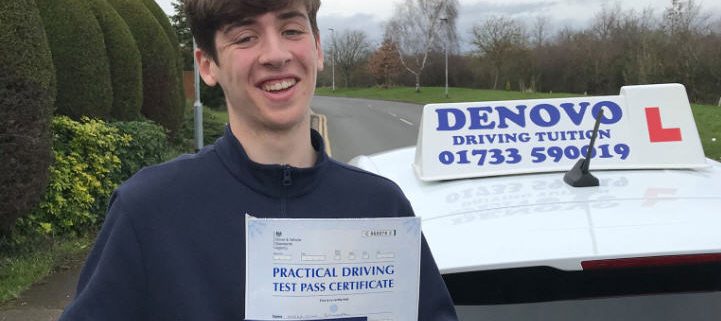
Harrison Skinner Denovo

Thanks From Student

DVSA Learning

DVSA Learning To Drive Guide

Young Drivers

Young Drivers; RAC Report Summary

DVSA Annual Review

DVSA Annual Report 2018-19

Hands Free Phon

Hands Free Phone Use Whilst Driving

DVSA Response to Media Reports about L Test Pass Rates

L Test Pass Rates

Biker Awareness

Biker Awareness

Proactive Vehicle

Proactive Vehicle Safety Checks

Safest Drivers

Who Are The Safest Drivers In The World?

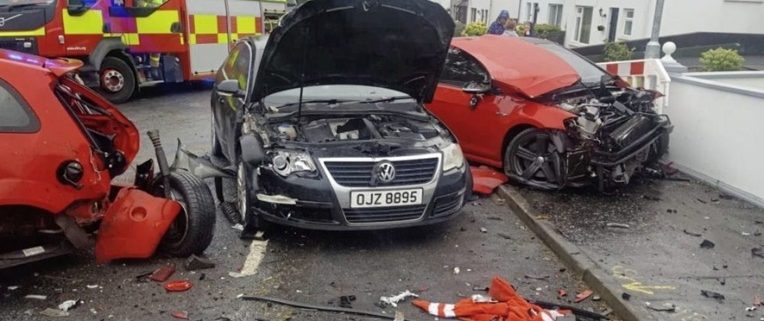
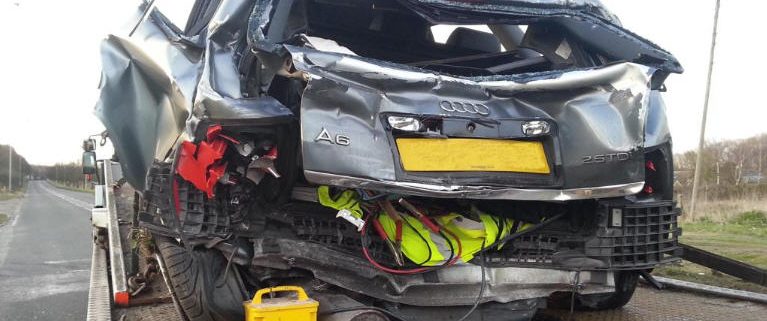
Driver Error Is The Main Cause Of Collisions

Killed and seriously injured.

AA Zip Merging

Merge In Turn or Zip Merging

Facebook

Fake Customer Reviews

Denovo TOP One Percent Logo

Top One Percent

Driving Test Changes December 2017

Driving Test Changes: December 2017